Testing an Identical /Goal app build on Fable 5 vs. GPT 5.6 Sol

I continue to use both Claude Code and Codex to build and update my apps. Both have been great but I still feel the Claude models have had a slight edge for the apps I’ve been working on. I decided to run a test on a new app build using the /goal feature with Anthropic’s latest model Fable 5 against Open AI’s GPT 5.6 Sol to see how they would compare.
I recently used Codex computer use skill to achieve the task of creating a Spotify playlist for a concert setlist on my computer. I gave Codex the setlist url and then it accessed my logged in account to create the playlist. It worked great. I then realized I should build an app for this which was the basis for my test.
I normally would provide a full requirements spec in a markdown file before building an app like this, but I purposely created a very simple prompt for this test using the /goal feature to see how each model would infer functionality by filling in the gaps that weren’t provided.
Here’s the prompt
Create a web app where a user can search for a setlist from setlist.fm using the api https://api.setlist.fm/docs/1.0/index.html and then create a Spotify playlist with the songs from the setlist in their Spotify account using the api https://developer.spotify.com/documentation/web-api/reference/create-playlist
I won’t go into too much detail but wanted to provide some of the interesting things and quick highlights from the test and comparison between what both models created.
| Metric | GPT 5.6 Sol | Fable 5 |
| Build time | 20 minutes 33 seconds (Codex provided) | 10-15 minutes (Claude estimated) |
| Token Usage ($20 plan) | 8% | 21% |
| Web server choice | ChatGPT Hosted Site | Local |
| API Configuration | Worked on first try | Ran into some issues. Was able to resolve them after 3 fixes. |
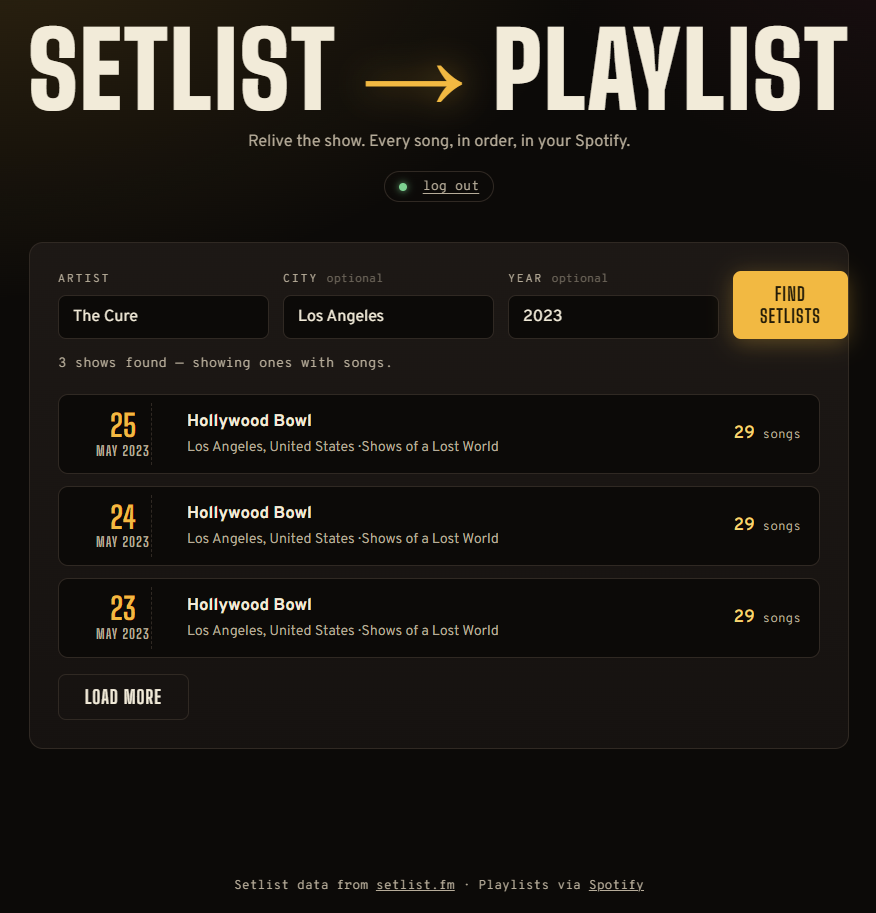
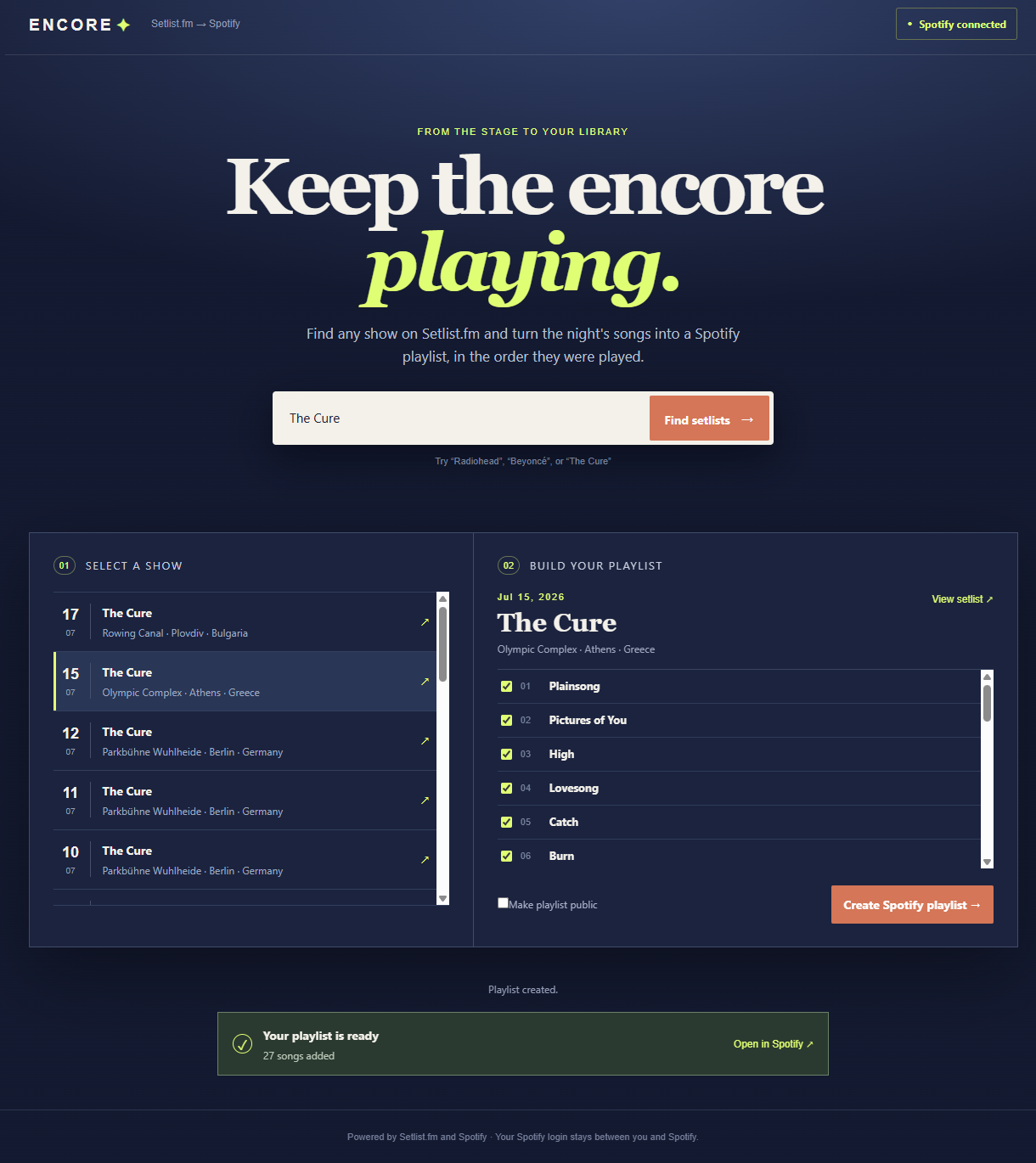
| Setlist Search | One single text field. Limiting, too many results. | Artist, city, year filters to limit search results. |
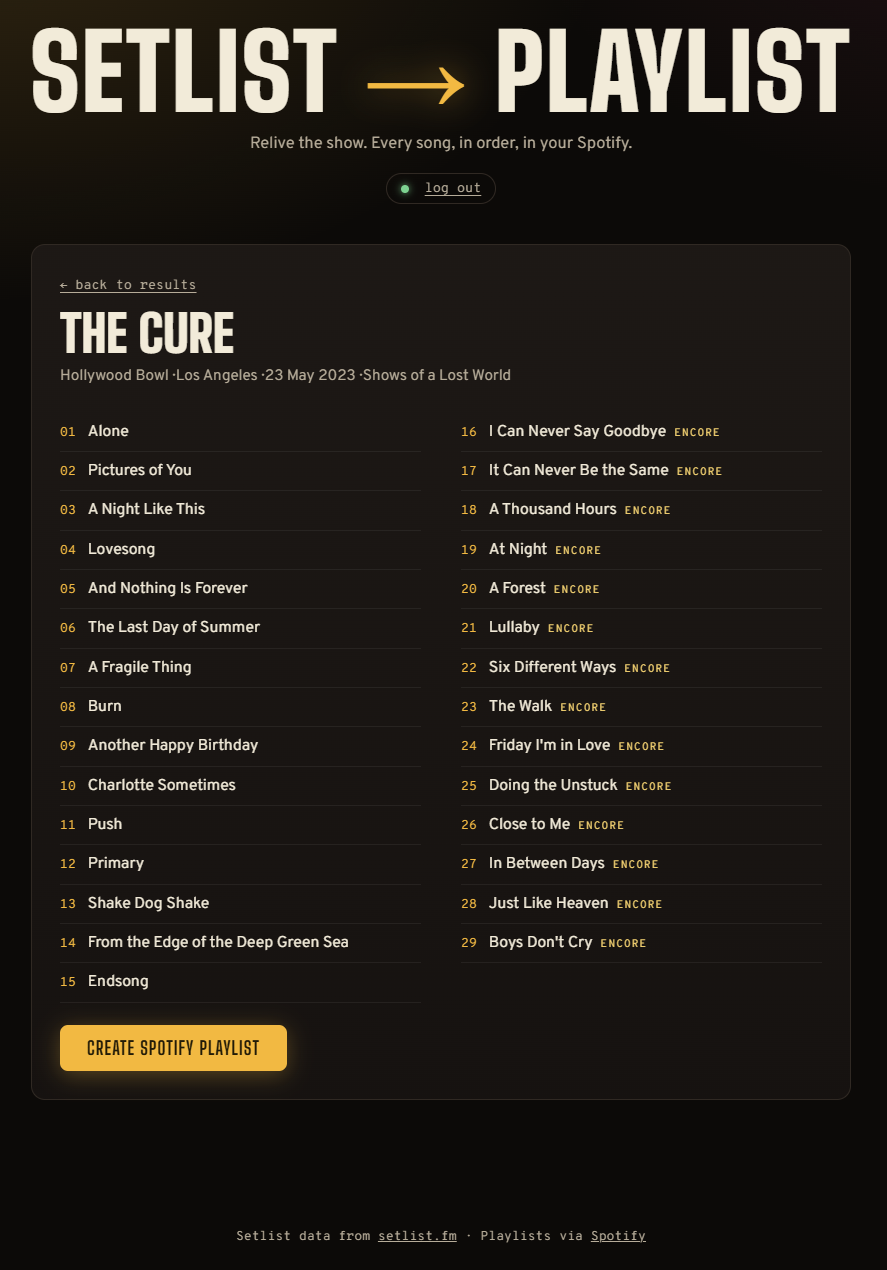
| Design / UI | Nice colors & typography. Single page, multi-step interface. | Dull colors, clunkier multi-page steps. Not as clean. |
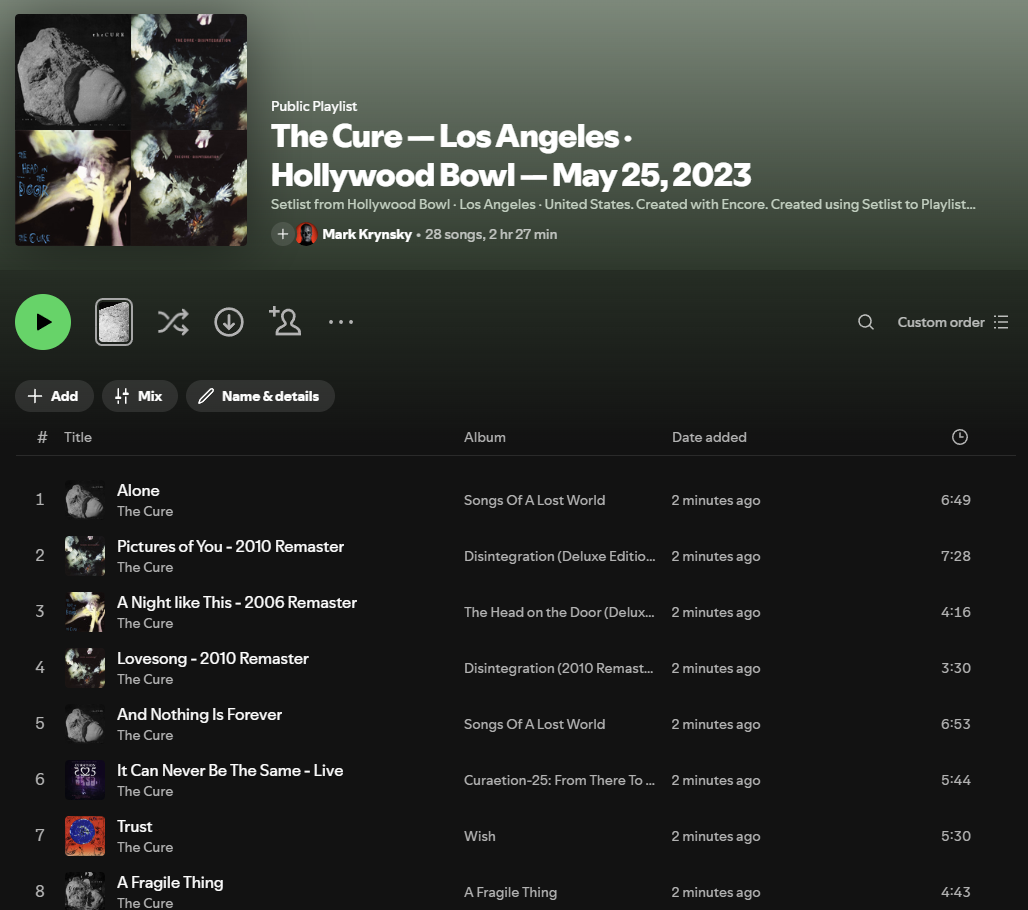
| Spotify Details | Added ability to make setlists public or private. Put concert location in description. | Better Setlist title, referenced original setlist. Provided app attribution. |
Fable 5 Site
GPT 5.6 Sol Site
I’ve heard about people “one shotting” an app but never really experienced that until using the /goal command. I usually have detailed requirements and then have used either Superpowers or Compound Engineering and spend days iterating an app. This was a fun experiment on a pretty simple app and I can see the value of getting something up and running quick (20 minutes!). I can see that doing this can help you get something running and decide later to iterate a concept without too much work up front.
Some other interesting observations. This is the first time ChatGPT created an app using their new Sites feature instead of setting up a local environment. Not sure how I feel about that yet but it’s probably one of the reasons it completed the app quicker and used less tokens having that functionality it could leverage. ChatGPT also truly one-shotted the app whereas Claude had some API issues I had to work through. Lastly I liked the design/ui of ChatGPT’s app more except for the weaker search functionality. Overall I’d say ChatGPT was the winner in this comparison. However this is just one test and I will continue to use both of them comparing their outputs for the forseeable future.
You can try the Setlist to Playlist app here: https://encore-setlist-playlist.krynsky.chatgpt.site
App is now available at: https://setlist-to-playlist.krynsky.com
Playlist in Spotify
I’ve updated it to include the better search functionality Fable used. For now I’m using the ChatGPT Sites hosting but If people like it and it becomes popular I will add more features and may migrate it to Vercel as there are some limitations to hosting a ChatGPT site.
Do you have any experiences using the /goal function? Share them in the comments.
It’s interesting to hear about your experiences with both Claude Code and Codex. The comparison between Fable 5 and GPT 5.6 Sol should provide valuable insights, especially regarding their performance in app builds. I’m particularly curious about how the /goal feature influenced your testing outcomes. I often refer to community forums for feedback on similar topics.