My Computer Origin Story

I recently went to the 2nd annual Southern California Vintage Computer Festival and boy did a tidal wave of old memories come rushing at me. As I walked the aisles on the exhibit floor I was bombarded by computing history from the 70s, 80s, 90s and beyond. Each memory shared with two friends eliciting longer conversations by each new thing we saw together. We were awash in nostalgia and I was cherishing every minute of it. Here’s 2 great recaps.
Summary: I’m about to take you on a nostalgic retro computing tour de force. This is a summarized memoir of different historic computing events in my life with tons of links you can take to never ending rabbit holes if you want. Now lets continue.
The exhibit floor had most of the computers from my adolescent years including the first computer I ever experienced, the Radio Shack TRS-80 which a friend owned when I lived in Chicago. I’ll never forget the moment of watching him type words on the screen until typing the word “Run” and hitting the enter key. My eyes opened wide as I saw a video game appear on the screen. That machine created magic right in front of me and I was hooked. As I continued walking the floor I saw the first computer I ever owned, the Commodore Vic-20. This computer only displayed 22 columns and I remember the first software I ever bought for it was a terminal program that boasted a full 40 columns at a store called Future Tronics in Westwood California.
It wasn’t long after my initial foray into computing on the Vic that I decided to move on to the Atari 400 and shortly after the Atari 800 due to the 400’s difficult to use membrane keyboard. It was the Atari that really captured me and made my love of computers flourish. Games and telecommunications were my primary uses that ended up serving each other. In these early days finding other Atari enthusiasts to share ideas and software with was a primary goal. This was done both by finding local user groups and discoverying BBSes to connect to other users. It was during this time I became friends with one of the people that went to the festival with me. The other friend I went with I met working at a computer store which I discuss later.

Eventually our small group of friends met regularly to trade software. Our pirate group needed a name, so I chose “The Software Syndicate” to identify us as we communicated online and began trading warez with other groups primarily through BBSes. I eventually ran my own BBS and our group became somewhat notorious. We were listed in Antic (an Atari magazine) telecommunications issue list of BBSes where they used our group’s name as the “Sponsor” of the BBSes we ran. It was an amazing time as we continued to meet new folks and expanded our group. I remember one talented member who converted the Atari 5200 Moon Patrol game to run on the Atari computer and modified it to hit a key combination that would display that the game was brought to you by The Software Syndicate. Eventually BBSes began to take a backseat to major online services like CompuServe. I’d used their service for live chat to meet people from all over the country as well as using their forums. CompuServerve was eventually replaced by services like Genie and eventually the hugely popular AOL.


It was around the end of the 80s when I got a sales job at a computer store called ComSoft in Reseda California. During my time there Atari and Commodore continued to evolve their computers and I was selling hardware and software for them. I ended up owning both sytems, getting a Commodore 64 to go along with my Atari 800. Later I upgraded to my first 16-bit computer the Atari 520ST and eventually also got an Amiga 500. I left ComSoft and got another job at a computer store called Logical Choice for Computing in North Hollywood California. I managed that store for a few years during the rise of Atari and Commodore 16 bit computing. I got back to running a BBS on my Atari ST with the purchase of my first hard drive. An Atari SH-204 20Mb hard drive.

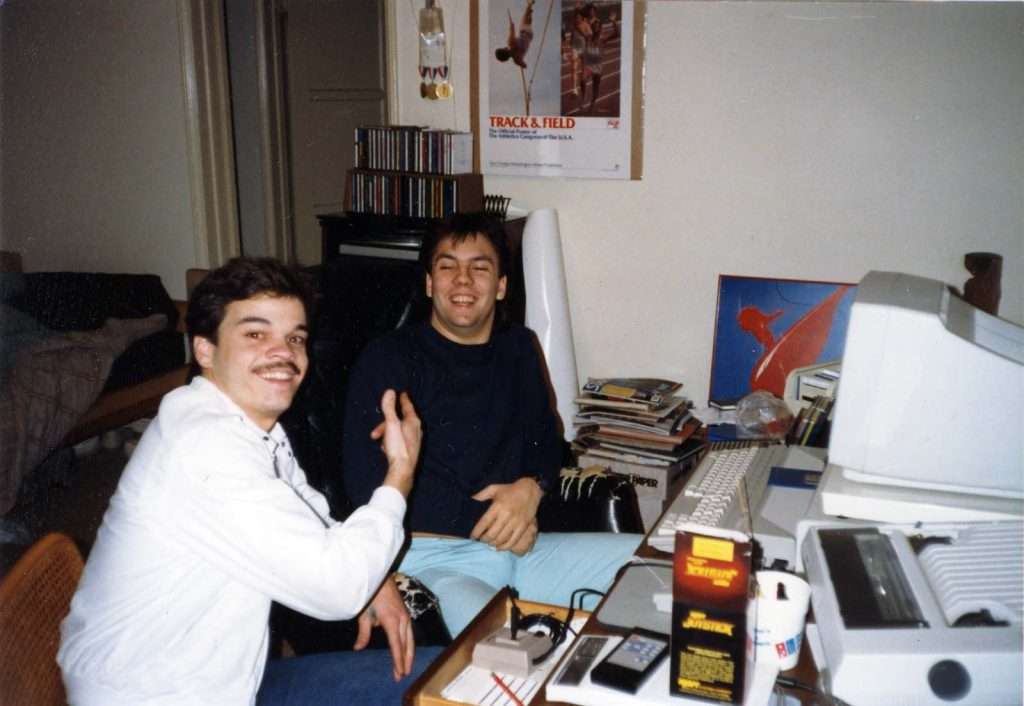
By the early 90s my time at Logical Choice ended and I had to make a key life decision. I was offered a job to manage an Egghead Software but a friend of mine wanted to open a new computer store and wanted me to manage it. I ended up becoming a part owner of our store called The Computer Network in Glendale California and accepted the offer. At this point the Atari ST became a very popular computer among musicians with its built in Midi ports and related software. It also excelled for Desktop Publishing. We had many famous musicians come to our store. One memory I’ll never forget was Philip Bailey from Earth Wind and Fire singing along to a song that was playing on the radio in our store. I got starstruck when Stan Ridgway from Wall of Voodoo who I saw at the US Festival first came to my store. He came several times and was nice enough to invite me to several of his shows.
During my time at The Computer Network breakthroughs in graphic cards was made for PC clones that added 3D and increased the number of simultaneous colors displayed from 256 to 32k and shortly after 16 Million! These breakthroughs were huge as the Atari or Commodore never exceeded 4k. This technical leap was so significant that we began to sell PC clones at our store. I finally decided to ditch my Atari and Commodore computers and made the switch to a PC clone around this time and never looked back. My first computer was a system I built using an AMD 386-DX40 with what I believe was an ATI graphics card and continued from there. Interestingly enough I just don’t feel the same level of nostalgia for any of the PC’s I had back then because my progression was upgrading or building computers based on a collection of individual parts. The only thing I’d cling to nostagically from those systems would be the graphics cards. I still remember owning the 3D Voodoo Graphics cards by 3DFX (eventually purchased by NVIDIA) being another significant milestone for gaming on PC’s. Looks like others feel the same way sharing their graphics card history.


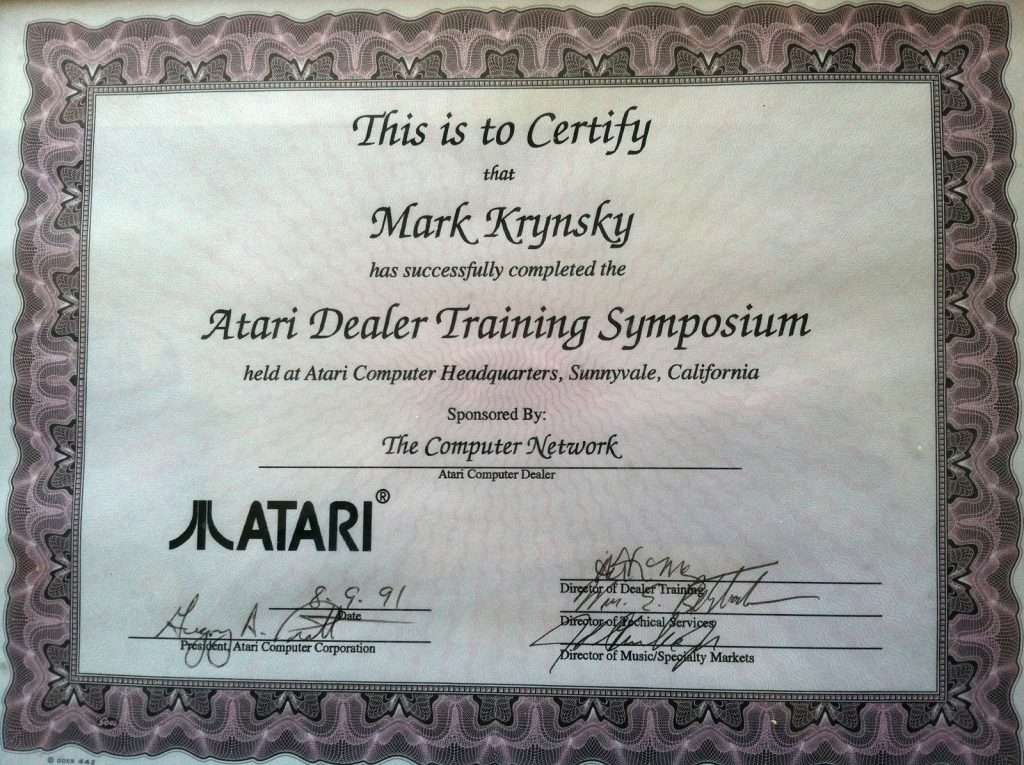

It was the end of 1994 and on our annual trip to ComDex (the largest computer convention in the US) we saw several booths that were utilizing the Internet. We had learned about it from a friend a few months prior but now we were seeing it start to proliferate at Comdex with many booths connected to ineternet using the Mosaic browser. My parnter and I saw the future that the Internet could bring and realized we needed to seize the opportunity. We returned from ComDex and learned everything we could about the Internet. I recall having to install a patch for Windows 3.1 to add support for the TCP/IP protocol to get on the Internet. We then bought Internet in a Box and became some of Earthlink’s first customers. I remember getting a Fax from Earthlink that provided all the TCP/IP settings we needed to configure to access the internet. It was pretty difficult back then to get up and running so you had to be somewhat technical and have a strong desire to do it. At this point we submerged ourselves learning about all things internet. My partner was more on the hardware and networking side and I was more on the software side. After 4 years of running The Computer Network successfully my partner and I decided shut it down to take on a new computer consulting venture focused on Internet technonlogies. Alternative Computing in Burbank California was then born.
My partner and I quickly became consumed by a client which was a magazine publisher. We were spending so much time working for them, that they made us an offer we couldn’t refuse. They wanted us to come on-board as employees to run a new Internet division. My partner focused on setting up the IT side, configuring all the networking including bringing in a 10Mbit fiber connection to our building. I setup the mail server and created our initial websites. We were fortunate engough to be on the ground floor during the Internet boom. We got to learn and deploy new technology for several years while worked there. Through the years I focused my career on managing e-commerce and content management systems. It was truly an amazing time I’ll never forget.
Taking this story back to the festival. My favorite booth at the show was run by Rob Sherman who brought a ton of 8-bit Atari computers with his focus being on BBSes. Rob has shared his origin story which is eerily similar to mine and so many others. He’s managed to honor his Atari history by finding ways to leverage new technology. He showed us how he uses a WiFi modem called Fujinet that connects directly to the port on an Atari 8-bit computer. He also told us how he is hosting. The other amazing thing he’s accomplished is getting his Atari BBS Southernamis.ddns.net:23 running in the AWS cloud 24/7 using an Atari 130XE with an 850 interface at a lightning speed of 9600 baud. It turns out there’s a whole community Rob shares that are maintaining Atari BBS’s on the internet! Here’s a bunch of folks discussing Atari BBSes on Reddit if you want to dive down the rabbit hole further.
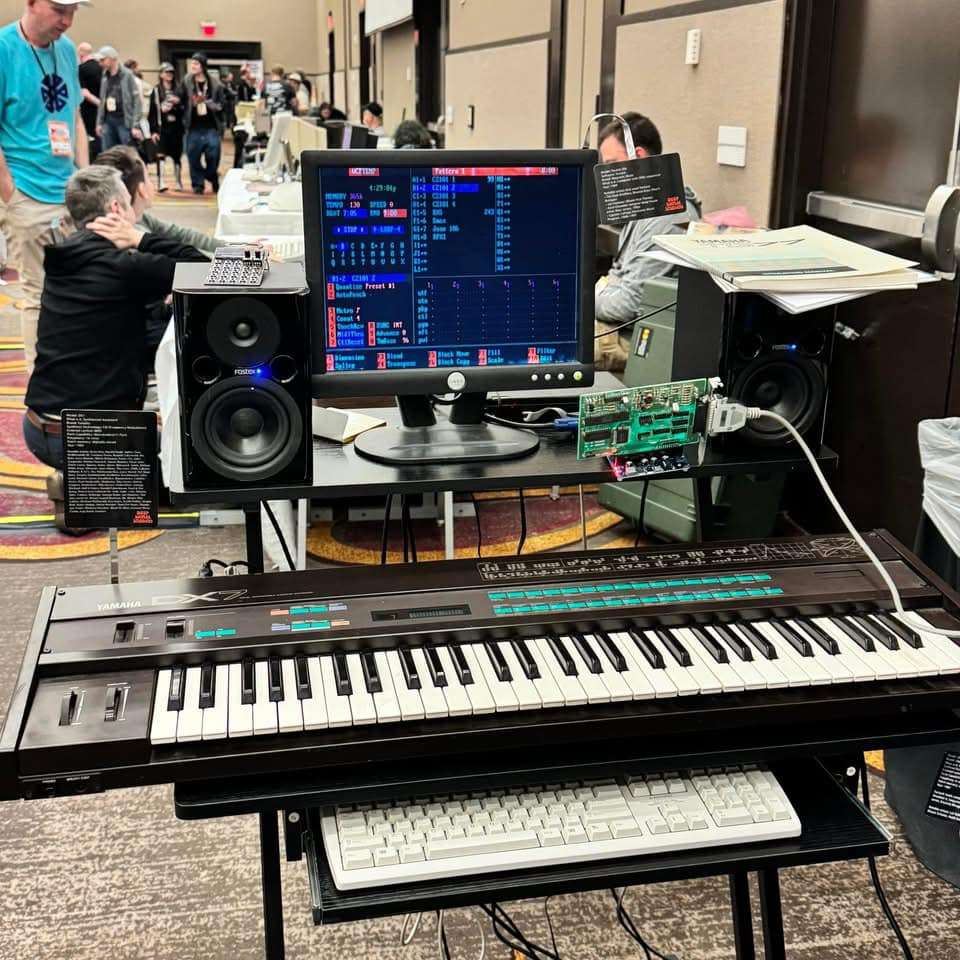
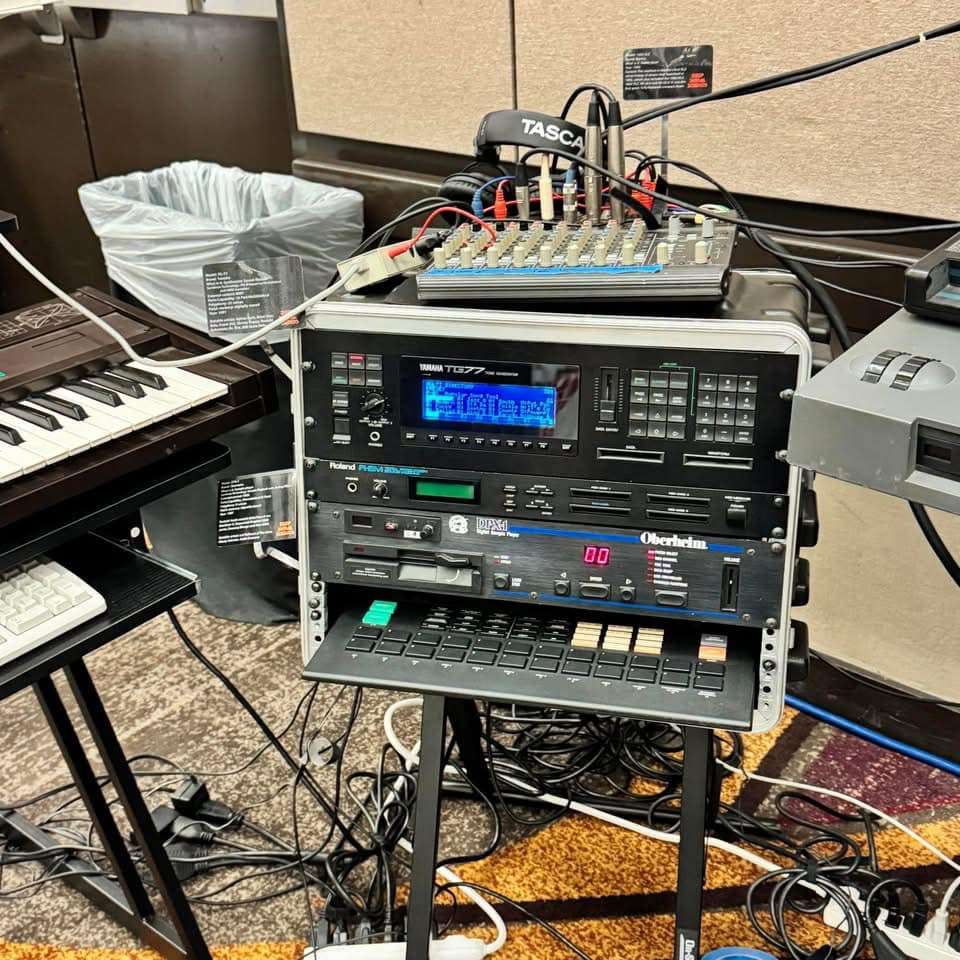
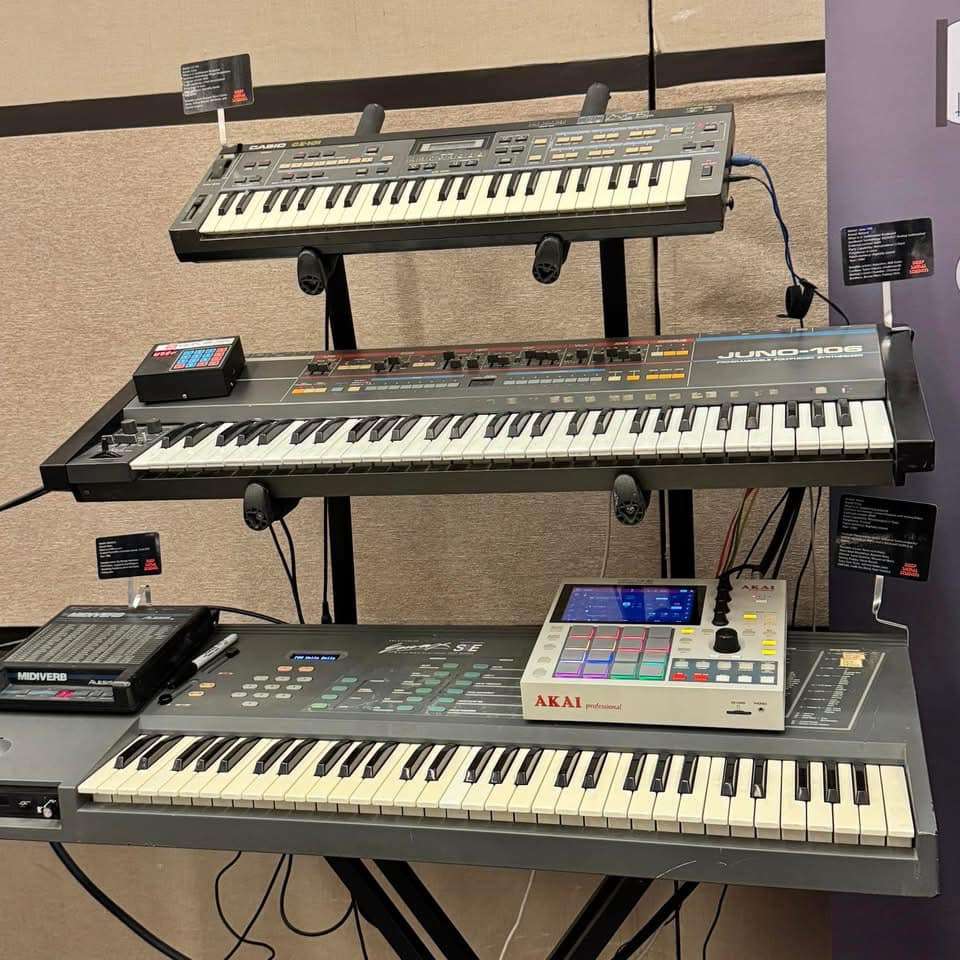
Then I saw a booth with racks of vintage music gear that included a Yamaha DX-7, Casio CZ-101, and way more stuff that gave me flashbacks. I was surprised to see that my friend Nick Dynice who I hadn’t seen in years was manning the booth. His gear took me back to my Midi and DAW days at The Computer Network when I sold turnkey Atari systems with Cubase and Notator sequencing software. This was an unexpected but great surprise that added to the whole nostalgic experience. You can check out more of Nick’s vintage gear on his Deep Signal Studios site.
I ponedred quite a bit after the show thinking about how I wanted to continue enjoying the retro vibes. I visited Rob’s BBS, read several old articles from magazines, watched old videos, and plan to spend time again with emulators for the systems I used to have. I’m also planning to watch Halt and Catch Fire again. I really enjoy reminiscing about the early years and how this hobby I loved turned into a career intertwining the two for my whole life.
I find the incredibly fast evolution to where we are today to be amazing. Today I own an Alienware R16 with an NVIDIA 4070 Ti Super graphics card. I also satisfy retro vibes with my Atgames Legends Ultimate running OneSauce. I’ve recently begun a new journey into the world of AI with much of the same wide-eyed excitement I had during the early days of the Internet. I could go on and on with tons of other stories I have about my computer history and plan on writing more about it in the future. I hope you enjoyed this and if you’re an old school computer nerd like myself I encourage you to tell your origin story.
Relevant links related to this article:
- Visit the Vintage Computer Federation site for future festivals in other areas.
- Fujinet – a multi-peripheral emulator and WiFi network device for vintage computers.
- A list of all the software used to run Atari 8-bit BBSes
- Story from an Atari software pirate
- How Pirate BBSs impacted the Atari community
- Here’s an Atari 8-bit emulator and you can get software for it here
- Video of Comdex show in 1986 with a video thumbnail that shows an Atari ST
- Atari-Forum – A forum about Atari 16/32 computers and their clones.
- The GameFan magazine website we created a content management system for
- The eCommerce site for Gamecave.com we created
Great post! Hope to see you at the next one my friend!
Nice write-up! Reminded me a lot of starting my own computer career living through the same era. Glad you had a great time at VCF SoCal. Exhibitor sign-ups will open mid-November for the 2026 fest. hint-hint -Cheers, Steve
Great story. My story would be a lot more boring, and less successful, if I hadn’t been along for the ride!